
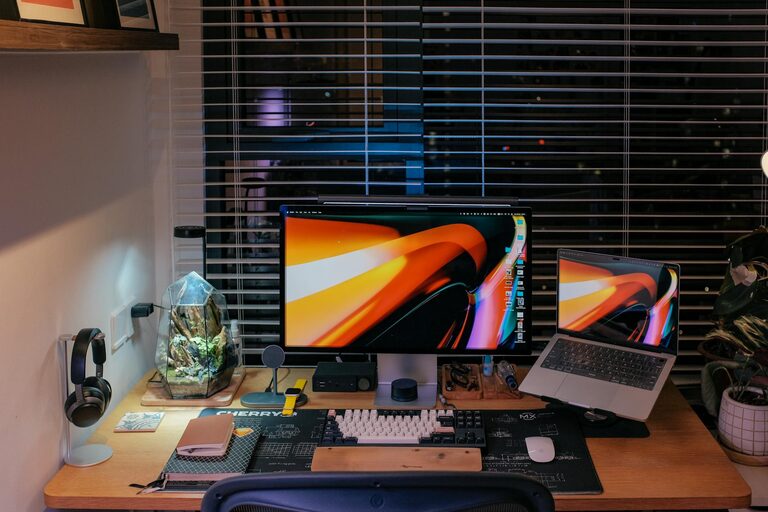
Creating a comfortable and productive home office space is essential for anyone who works from home or needs a dedicated area for focused tasks. A well-designed workspace can improve concentration, reduce stress, and enhance overall work satisfaction. Whether you have a small corner or a whole room, there are simple ways to optimize your home office for comfort and efficiency.
1. Choose the Right Location
The first step in setting up your home office is selecting the best spot. Ideally, pick an area with minimal distractions and good natural light. A quiet room or a corner away from the main living spaces can help you focus better.
Tips for picking your spot:
– Avoid high-traffic areas to reduce interruptions.
– Consider proximity to power outlets and internet connections.
– Natural light is great but avoid screen glare; position your desk near windows but not directly facing them.
2. Invest in Ergonomic Furniture
Comfort plays a key role in staying productive. Ergonomic furniture supports your body properly and prevents discomfort during long work hours.
Must-have ergonomic items:
– Chair: Choose one with adjustable height, lumbar support, and comfortable cushioning.
– Desk: A desk at the right height prevents hunching; adjustable desks are great for alternating between sitting and standing.
– Keyboard and mouse: Position them to keep your wrists straight and shoulders relaxed.
Spending a bit more on quality furniture pays off in comfort and health.
3. Optimize Lighting
Good lighting helps reduce eye strain and keeps you alert. Here’s how to get it right:
– Use a combination of natural and artificial light.
– Position your screen to avoid reflections.
– A desk lamp with adjustable brightness can help for late-night work.
Warm, soft lighting is inviting, but bright white light often works best when you need to stay focused.
4. Keep Organized to Boost Efficiency
Clutter can slow you down and increase stress. Keeping your workspace tidy helps you find things fast and clears your mind.
Organization tips:
– Use shelves, drawers, or bins to store supplies.
– Keep only daily essentials on your desk.
– Label storage solutions to find items quickly.
– Consider cable management tools to keep cords neat and out of sight.
Regularly declutter to maintain a streamlined space.
5. Personalize Your Space
A workspace should feel inviting, not sterile. Adding personal touches can make your home office more enjoyable, encouraging longer, more productive work sessions.
Ideas for personalization:
– Plants add a touch of nature and improve air quality.
– Artwork or motivational quotes on the wall.
– Colorful accessories or a comfortable rug.
Balance personalization with functionality to avoid distractions.
6. Minimize Noise Distractions
Noise can reduce productivity and cause fatigue. Find strategies to keep sound in check:
– Use noise-cancelling headphones or calming background music.
– Add rugs, curtains, or soft furnishings to absorb sound.
– Close doors or use draft stoppers to prevent outside noise.
White noise machines can help mask distractions if silence isn’t possible.
7. Establish Boundaries
Especially if you share your living space, setting boundaries is important to maintain focus and respect.
– Let family or roommates know your work hours and ask for quiet during these times.
– Use signage or physical dividers like screens if needed.
– Take regular breaks to avoid burnout and signal the end of work periods.
8. Incorporate Technology Wisely
Your technology setup should streamline tasks, not complicate them.
– Invest in reliable Wi-Fi and backup power sources.
– Use a second monitor for multitasking.
– Employ productivity tools and apps to stay organized.
– Keep cables and accessories tidy for a clean look.
Regularly update your devices to avoid technical issues.
9. Maintain Good Posture and Take Breaks
Even with ergonomic furniture, it’s important to listen to your body.
– Sit with feet flat on the floor and back supported.
– Position screens at eye level.
– Take short breaks every hour to stretch and rest your eyes.
– Consider incorporating light exercise or walking during breaks.
Healthy habits prevent discomfort and sustain productivity.
—
Creating an ideal home office space is a combination of thoughtful design and habits. By choosing the right location, investing in good furniture, optimizing lighting, and maintaining organization, you set yourself up for success. Personal touches and mindful use of technology also make the workspace pleasant and efficient. Remember to take care of your posture and set clear boundaries to protect your work time and mental health. With these tips, your home office can become a comfortable and productive place where you enjoy working every day.