
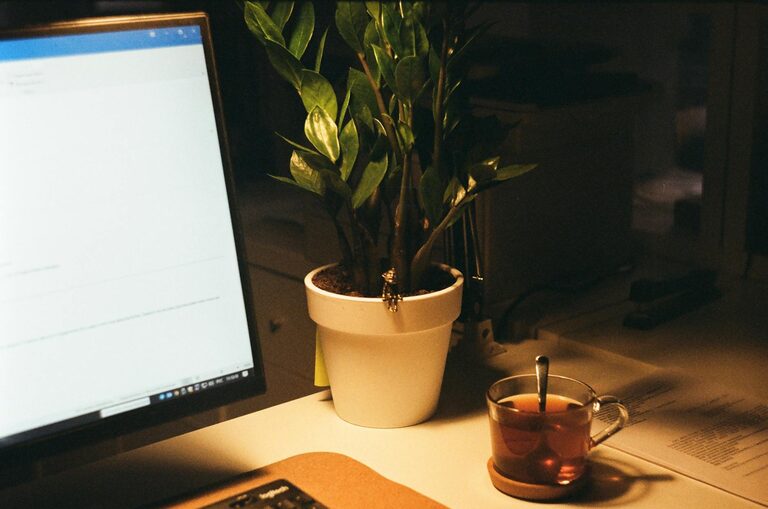
Creating a relaxing home workspace is essential for anyone who works remotely or spends significant time on tasks at home. An environment that feels calm and organized can help reduce stress, improve concentration, and ultimately increase your productivity. Here are some helpful tips to design a workspace that promotes relaxation and enhances your work performance.
Choose the Right Location
Start by selecting a spot in your home that suits your work style. Ideally, your workspace should be away from heavy distractions such as televisions, busy family areas, or noisy rooms. A quiet corner, a spare room, or a well-lit part of the living room can work well.
Consider natural light. Places near windows provide plenty of daylight, which can improve mood and energy levels. If natural light is limited, invest in good quality artificial lighting that mimics daylight to reduce eye strain.
Declutter and Organize
A cluttered space can lead to a cluttered mind. Keep your desk and surrounding area tidy and well-organized. Use storage solutions like shelves, drawers, and organizers to keep documents and office supplies out of sight but easily accessible.
Regularly clean and declutter your workspace to prevent build-up. A minimalist setup often feels more peaceful and helps you focus better on your tasks.
Invest in Comfortable Furniture
Comfort is key to staying productive without feeling fatigued. Choose a supportive chair that encourages good posture and adjusts to your body height. Ergonomic chairs are designed to reduce strain on your back and neck during long work hours.
Your desk should be at a comfortable height, allowing you to keep your wrists straight while typing. Consider using an adjustable desk or a standing desk converter if you like to switch between sitting and standing during the day.
Personalize Your Space
Adding personal touches to your workspace can make it feel welcoming and relaxing. Incorporate items that inspire or calm you, like a favorite photo, a piece of art, or a small plant.
Plants are especially beneficial because they improve air quality and add a natural element that can reduce stress. Choose low-maintenance plants such as succulents or snake plants if you don’t have a green thumb.
Control Noise Levels
If you live in a noisy environment, controlling sound can make a big difference. Consider noise-canceling headphones or playing soft background music or white noise to mask distractions.
If your workspace is near a street or noisy area, use rugs, curtains, or wall hangings to absorb sound and keep the space quieter.
Manage Technology Wisely
Technology is a necessity but can also be a source of distraction. Organize cables with clips or sleeves to prevent a tangled mess, which can add to stress.
Limit the number of devices on your desk to what you need. If possible, set specific times to check emails and social media to avoid constant interruptions.
Create a Relaxation Corner
Including a small area for breaks can help you recharge. This could be a comfortable chair, a cushion, or a yoga mat nearby where you can stretch, meditate, or simply take a moment away from your screen.
Short breaks throughout the day have been shown to improve focus and prevent burnout.
Use Soothing Colors
Colors can impact mood and productivity. Soft, neutral colors like light blues, greens, or beige are often calming. Experiment with colors that help you feel relaxed but alert.
Avoid overly bright or intense colors in your workspace as they might be distracting or stressful over time.
Keep the Air Fresh
Good air quality is important for both health and concentration. Open windows when possible to let in fresh air. Using an air purifier or adding plants can also improve air quality.
Avoid strong scents or perfumes that could be overwhelming during work hours.
Set Boundaries and Stick to a Routine
Lastly, having a relaxing workspace also involves how you use it. Set clear boundaries for your work hours and space to separate work from leisure. When you finish your day, tidy your desk and mentally “close” your workspace.
Maintaining a routine that includes regular breaks and a consistent work schedule will help you stay productive and maintain a positive relationship with your home workspace.
—
By thoughtfully designing your home workspace with comfort, organization, and relaxation in mind, you can create an environment that supports both your wellbeing and productivity. Start with small changes today to enjoy the benefits of a calming and efficient work area.